As digital card games continue to expand, players frequently find themselves managing massive virtual binders filled with hundreds or thousands of unique cards. Without a structured organization system, building competitive decks or tracking collection completion can become a frustrating experience. Establishing clear routines for sorting and decluttering your inventory ensures that deck building remains smooth, efficient, and enjoyable.
Categorize Cards by Core Attributes
The first step in organizing any digital collection is leveraging built-in filtering tools to group cards logically. Classifying your inventory by mana cost, character type, or element allows you to quickly locate essential pieces for your deck builds. Filtering by card set or expansion also helps you track your overall collection completion over time.
Many modern card games feature advanced search parameters that go beyond basic rarity filters. Utilizing specific keyword tags, such as effect types or sub-factions, dramatically reduces the time spent scrolling through bloated digital albums. Taking advantage of these features makes deck customization far more intuitive.
Establish a Systematic Favoriting System
Most digital card interfaces allow players to bookmark or tag their most frequently used assets. Marking core staples and versatile tech cards as favorites ensures they remain at the top of your binder for instant access. This saves significant time when adapting to shifting metas or testing new deck concepts.
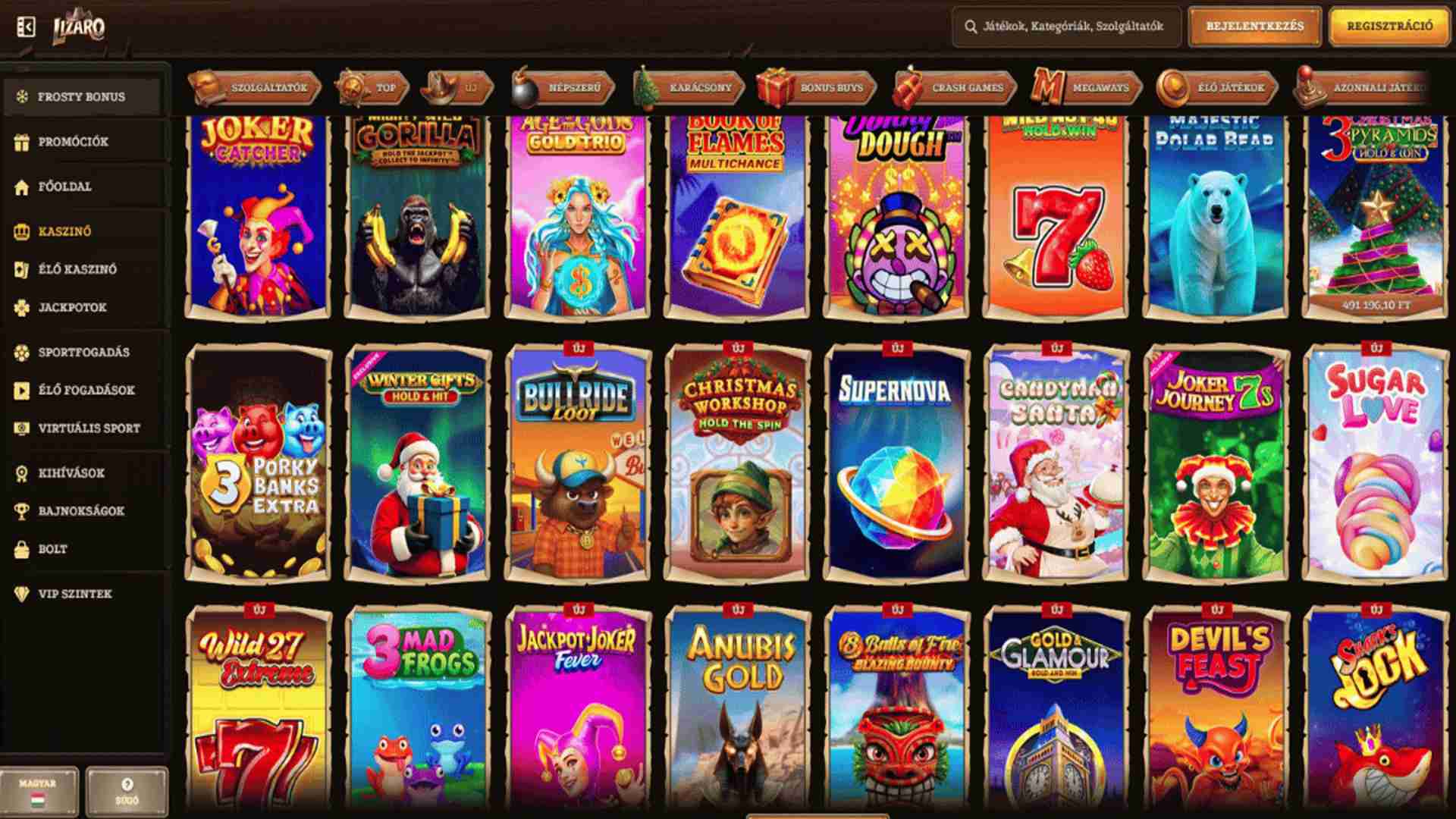
Beyond high-rarity staples, you should also tag niche counter cards that match current competitive trends. Platforms like m88 slot highlight how structured navigation systems enhance overall digital engagement for gaming enthusiasts. Organizing your favorites list regularly keeps your most valuable assets ready for quick deployment.
Convert Excess Duplicate Cards Regularly
Accumulating surplus duplicates is a common side effect of opening digital card packs or completing daily quests. Most games offer a crafting or dusting mechanism that allows players to break down extra copies into valuable crafting materials. Periodically purging non-essential duplicates keeps your inventory clean while generating resources for missing cards.
Before converting extra copies, check whether your preferred game modes require extra playsets or variant arts. Retaining shiny or foil variants while disenchanting standard versions can help maintain a clean collection while maximizing crafting currency. Consistency in managing duplicates prevents inventory clutter from building up.
Create Dedicated Templates for Different Game Modes
Instead of constantly dismantling existing decks to build new ones, utilize saved deck slots to create dedicated archetype templates. Maintaining pre-built foundations for aggro, control, and casual playstyles allows for faster testing and quick laddering. Labeling these deck lists with clear descriptions helps you monitor win rates and refine strategies effectively.
Updating your saved templates after major game balance updates keeps your collection aligned with the current meta. Clearing out outdated deck builds that you no longer play creates space for innovative concepts and new strategies. A well-maintained deck library is the ultimate goal of effective collection management.