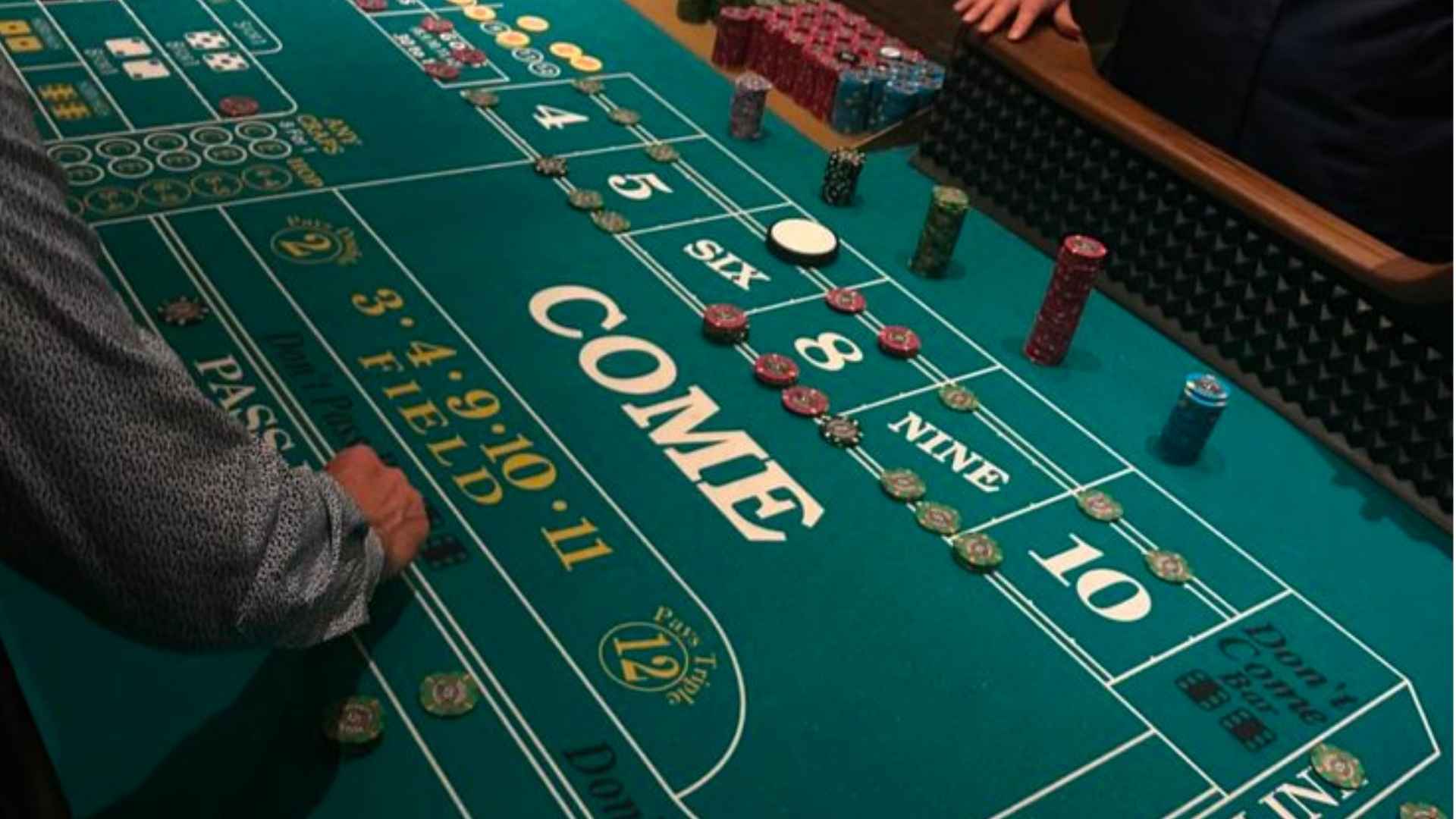
Entering a competitive tournament requires a shift in strategy from casual play to a highly structured approach. Success in these high-stakes events relies on tactical discipline, acute situational awareness, and the ability to make logical decisions under pressure. By refining your preparation and in-game decisions, you can steadily improve your ranking and outperform your opponents.
Mastering Tactical Awareness and Adaptability
To succeed in any tournament, players must develop deep tactical awareness rather than relying on basic mechanics. This means constantly observing your opponents' setups, identifying their patterns, and adapting your tactics in real time. Developing this fluid mindset helps you anticipate their next moves and counter their strategies before they can gain momentum.
In addition, maintaining flexibility in your overall approach is critical as the tournament progresses. A strategy that secures a victory in the opening rounds may not hold up against highly experienced players in the finals. Consistently assessing table dynamics allows you to adjust your pace and play style to fit the changing demands of each round.
The Role of Mental Conditioning and Composure
The psychological aspect of competitive play is often the deciding factor when matches are closely contested. Emotional control prevents hasty mistakes that typically occur when a player feels rushed by tournament timers. Learning to stay calm during intense pressure points ensures that your logical decision-making remains entirely unaffected.
Building a stable pre-match routine is an excellent way to prepare your mind for the focus required in long tournament sessions. Many seasoned competitors use visualization techniques and breathing exercises to manage pre-game nerves and maintain cognitive stamina. For additional insights on platforms that host these competitive events, exploring the M88 Msports Login page can provide excellent resources on active match setups.
Smart Risk Assessment and Resource Management
Smarter competitive play is fundamentally built on calculated risk assessment rather than reckless aggression. Every move you make should weigh the potential points gained against the risk of exposing a vulnerability to your opponents. Over time, mastering this balance between caution and initiative will yield far more consistent results across multi-round events.
Furthermore, resource management is another critical component that separates tournament novices from true experts. Whether you are managing cards, chips, or time limits, pacing yourself ensures you do not exhaust your options too early in the game. Saving your strongest plays for pivotal moments can turn the tide of an entire match in your favor.
Continuous Evaluation and Post-Match Analysis
Improving your tournament performance is a continuous process of learning from both victories and defeats. Taking the time to analyze your plays after each match helps identify tactical errors or patterns where your defense weakened. Documenting these lessons ensures that you do not repeat the same costly mistakes in future competitions.
Ultimately, treating every event as a learning opportunity is what builds long-term competitive excellence. By combining rigorous tactical preparation with emotional resilience, you lay a solid foundation for future victories. With patience and consistent practice, you will steadily climb the ranks of your chosen competitive discipline.