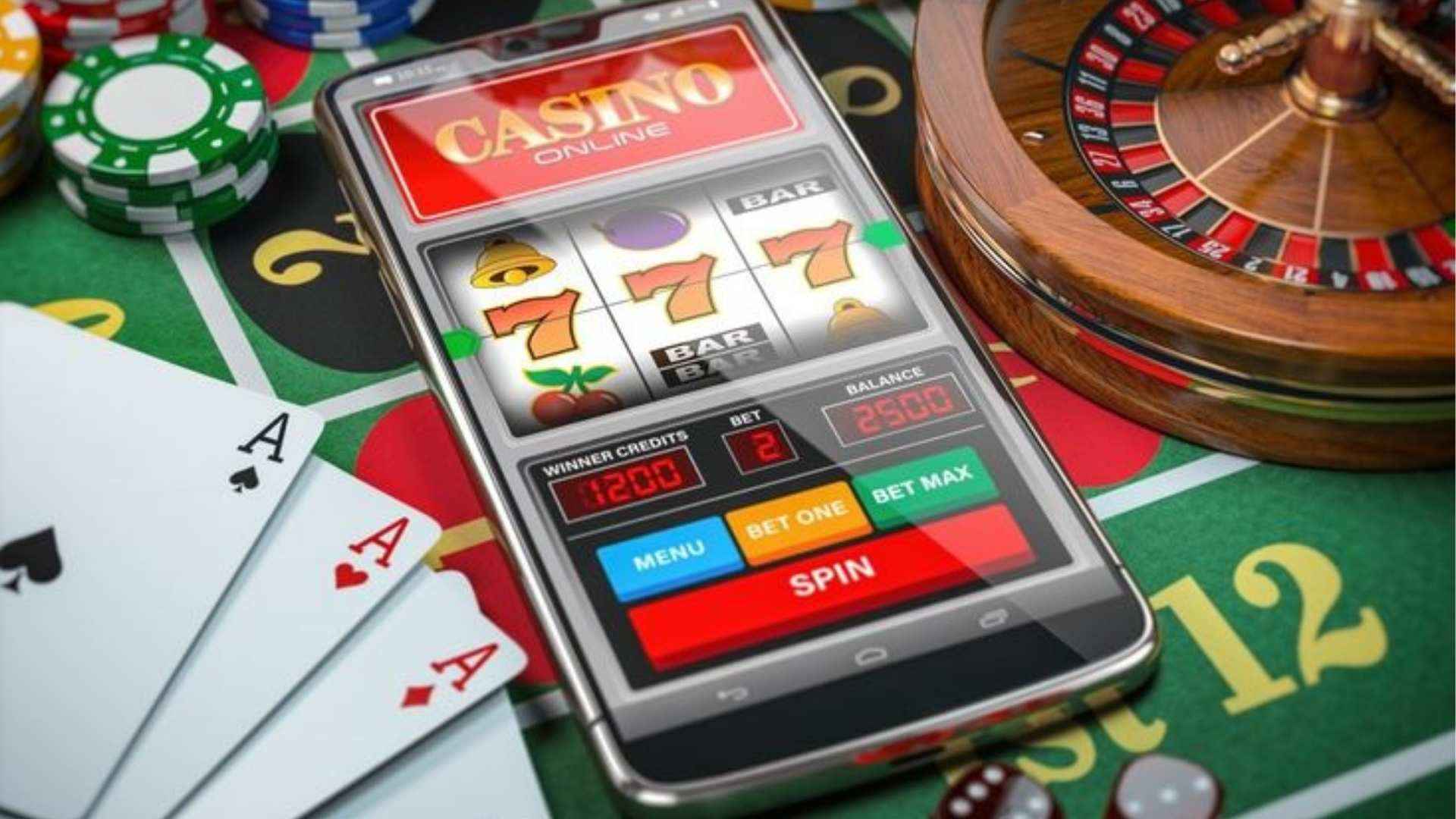
Games that incorporate elements of chance offer far more than simple entertainment; they serve as excellent tools for developing cognitive flexibility and critical reasoning. By engaging with these structured environments, individuals are forced to evaluate risk, look past emotional biases, and rely heavily on systematic data analysis. Developing these skills helps players move from simple guesswork to informed, analytical decision-making.
The Core Connection Between Chance and Analytical Reasoning
At the center of any probability challenge lies a fundamental mathematical framework that governs all potential outcomes. Players must calculate the likelihood of independent events, helping them realize that past results do not influence future turns. This structured approach to evaluating uncertainty trains the human brain to process information more systematically and adaptively.
Understanding these hidden equations completely transforms the way you perceive risk, luck, and tactical gameplay structures. For those looking to explore these interactive mechanics firsthand, using a dedicated platform like the M88 Msports Login offers an accessible way to observe digital outcomes. Immersing yourself in such systems helps turn abstract statistical theories into practical, memorable mental tools.
Shifting from Intuition to Structured Data Analysis
Many individuals naturally make everyday choices based on raw intuition, which can often lead to logical fallacies. Engaging in tabletop or digital games that rely on mathematical chance forces you to evaluate shifting distributions dynamically. This active practice trains your mind to replace emotional reactions with calculated risk management.
By analyzing previous outcomes and studying the frequency of specific variables, players develop an intuitive understanding of statistical fluctuations. This gradual shift in perspective encourages a healthier mindset when navigating real-world scenarios that involve uncertainty. Over time, practicing these methods sharpens deductive reasoning and builds general cognitive agility.
Differentiating Between Pure Luck and Strategic Choice
Newcomers frequently struggle to define where random distribution ends and personal expertise begins during competitive play. While pure chance determines the initial shuffle of a deck or the drop of a die, strategic execution alters long-term performance. Recognizing this delicate balance allows enthusiasts to approach complex challenges with a much clearer mindset.
Serious players utilize sophisticated models to minimize variance and identify subtle mathematical advantages during live gameplay. Focusing on the long-term expected value of each move ensures that decisions remain highly objective. This disciplined approach teaches valuable lessons about risk assessment that extend far beyond the gaming board or digital screen.
Practical Exercises to Enhance Logical Skills
The best way to improve your understanding of chance is to start with simple activities that use basic card or dice mechanics. Focus on tracking the mathematical distribution of outcomes rather than trying to predict the exact next turn. This routine practice naturally builds a deeper familiarity with theoretical versus experimental probability.
Maintaining a balanced perspective ensures that you treat these engaging exercises primarily as educational entertainment. With consistent practice, navigating the complex world of statistics becomes highly intuitive and deeply rewarding. Ultimately, mastering these principles empowers you to make better, evidence-based choices in all aspects of daily life.