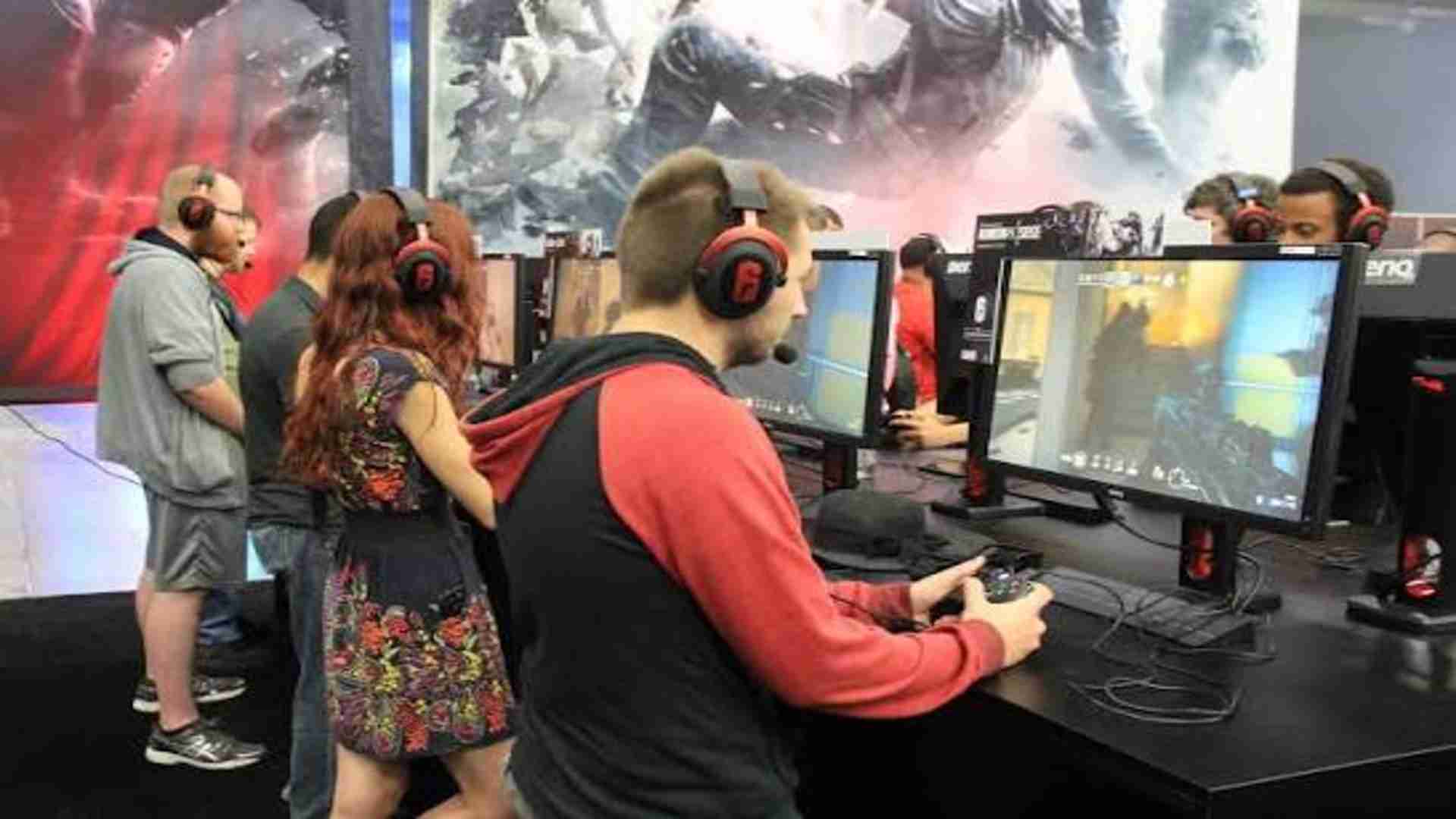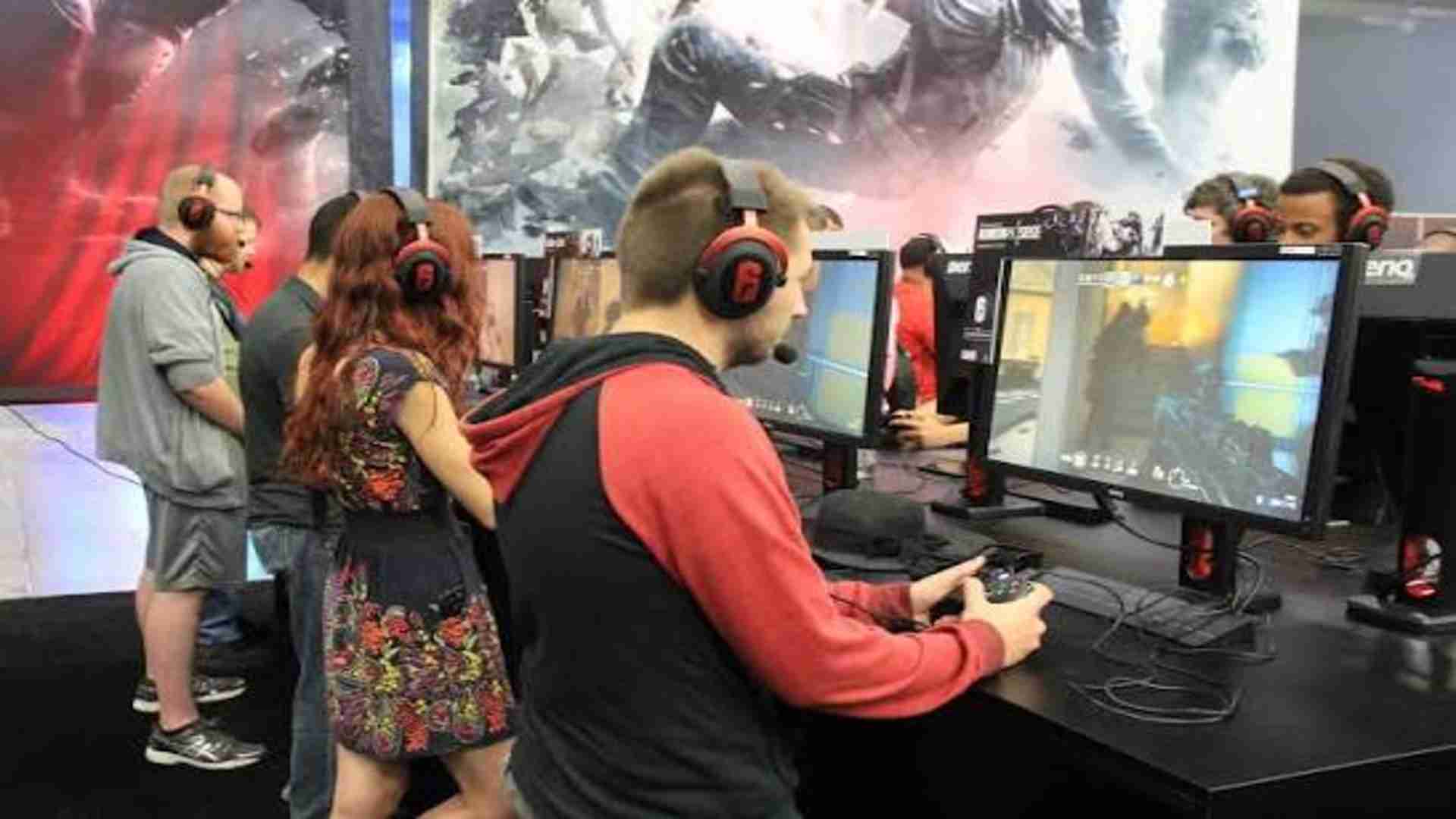
The modern multiplayer gaming arena has shifted drastically from individual performance toward collective achievement. Modern developers design virtual landscapes where victory depends entirely on how well individuals mesh their unique skills together. This structural shift transforms casual gaming sessions into deep exercises in team cohesion and strategic adaptation.
The Core Mechanics of Shared Coordination
True synergy occurs when a squad produces results that far exceed the sum of their individual mechanical capabilities. Games built around this concept force participants to divide tasks based on specialized expertise rather than chasing high kill counts alone. This level of cooperation ensures that every role feels essential to the final outcome.
To experience platforms that optimize interactive community structures, players can access the M88 Msports Login for modern gaming setups. Engaging with specialized systems allows enthusiasts to test their collaborative skills under diverse conditions. Ultimately, clear communication remains the ultimate tool for unlocking real-time team success.
Designing for Interdependent Roles
Modern game design frequently utilizes complementary character classes to enforce mutual reliance among players. For example, defensive characters protect fragile attackers while support roles provide vital resource replenishment during intense battles. This structural dependency ensures that lone wolves rarely succeed against a fully coordinated squad.
When tactical systems are properly balanced, they mitigate common conflicts by clearly defining each participant's responsibilities. Players learn to anticipate their companions' needs, creating a fluid rhythm that dominates the playing field. This design approach rewards patience, empathy, and deep tactical understanding over raw reflexes.
Overcoming Competitive Friction Online
Achieving flawless execution in random matchmaking environments presents significant communication and structural hurdles. Many squads face severe role confusion or tactical misalignment when proper communication tools are absent or ignored. Successful modern platforms solve this by integrating intuitive ping systems and contextual commands.
Overcoming these friction points requires a cultural shift toward shared ownership and mutual respect within the digital community. Teams that prioritize supportive feedback over toxic criticism consistently outperform groups relying solely on individual talent. Fostering this positive environment is crucial for sustained competitive success.
The Long-Term Benefits of Strategic Cooperation
Engaging regularly in highly synergistic gameplay offers cognitive and social advantages that extend beyond the screen. Enthusiasts develop advanced problem-solving capabilities, heightened situational awareness, and refined leadership traits through repeated collaboration. These interactive experiences turn virtual pastimes into effective environments for personal development.
Furthermore, shared victories achieved through intense coordination create lasting social bonds between remote participants. The sense of overcoming complex challenges together builds deep trust and long-lasting digital friendships. As the industry continues to evolve, the demand for deep cooperative experiences will only grow.